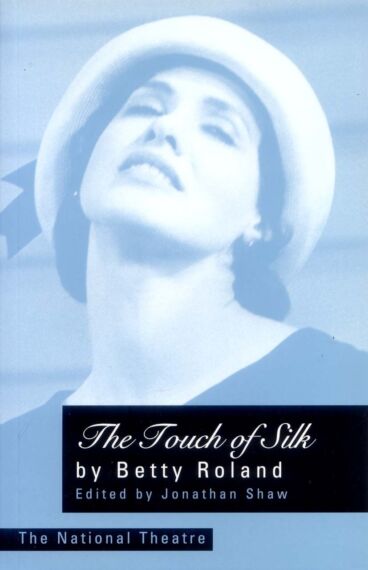
At its premiere performance by the Melbourne Repertory Theatre in 1928, this poignant drama of Jeanne, a French war-bride and her shell-shocked husband battling the hardship and prejudices of an isolated farming community, was acclaimed as 'a vein of gold' and 'the pattern of great drama'. One critic proclaimed that Australian drama had at last been born.
Though written at a time when a national drama was the dream of a tiny minority, the play, like its high-spirited heroine, has survived and gained new dimensions, both as a portrait of rural life in the 1920s and as a reminder that Australia has been peopled by immigrants from the world's disasters who have countered the tyrannies of distance, climate and memory, each in their own way, with their own tools of survival.
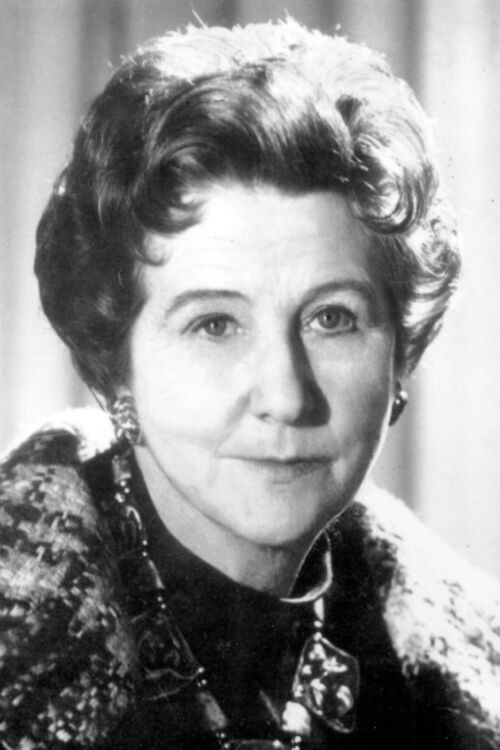
BETTY ROLAND was a highly passionate and ambitious playwright. She aspired to be a quintessentially Australian counterpart to Eugene O'Neill. Despite enthusiastic responses to her best-known play The Touch of Silk, she failed to make a living out of playwriting and turned her hand to journalism and scriptwriting for radio stations. Theatre critic Philip Parsons described The Touch of Silk and Feet of Clay as plays about 'disruptive femininity in an ordered man's world [where femininity is often a construct]'. Roland died in Sydney in 1996.
| Cast Info | 5F, 7M |
| Genres | Drama |
| Themes | Significant female roles, Large Cast |
| Audiences | Adult, Secondary: Years 10-12 |
| Extent | 117 |
| Edition | Standard |
| Size | 210 x 137 |

Stay connected and updated to the happenings at Currency Press
We will never share your email with others