Fred Schepisi’s film, The Devil’s Playground, is an intimate portrait of a thirteen-year-old boy and the Brothers, living within the confines of a Catholic seminary. Tsiolkas invites you to share in his extensive personal experience of the film.
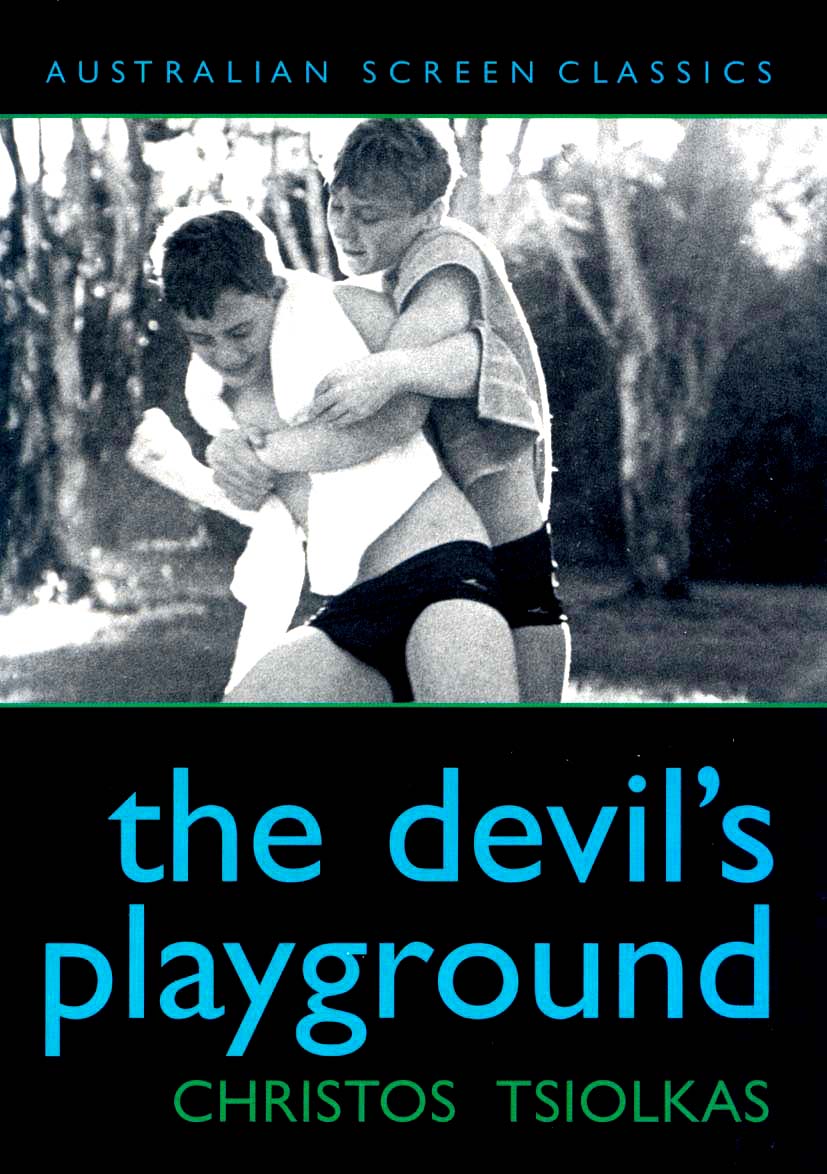
The Devil’s Playground
$16.99
ISBN: 9780868196718
Author: Christos Tsiolkas
Publication Date: 20/11/2002
Edition: Standard
Publisher: Currency Press
Extent: 96pp.
Availability: Available
Request reading copy: Here
(Academics and teachers)
eBook Vendors:




More Titles To Explore
-
Platform Papers 57: Cultural Justice and the Right to Thrive
Select options -
Opening a Fuzzwollop’s Frame of Mind
Select options -
Platform Papers 12: Film in the Age of Digital Distribution
Select options -
Alice in Wonderland
Select options -
Girl Asleep
Select options -
The Literati, after Molière’s Les Femmes Savantes
Select options -
Platform Papers 14: Who Profits from the Arts?
Select options -
Koreaboo
Select options -
Dead Cat Bounce
Select options -
The Back of Beyond
Select options -
Almost With You
Select options -
Inheritance
Select options